


Cooking at home often feels exhausting when ingredient preparation takes far too long. However, applying the right cooking tips can transform your kitchen routine into an enjoyable and efficient experience. Anyone can create delicious meals comparable to a star-rated restaurant chef simply by understanding the foundational techniques of food preparation.
Many beginners hesitate to serve home-cooked dishes due to inconsistent flavors. This issue typically stems from incorrect seasoning sequences or inaccurate pan temperature management. The following guide provides actionable culinary advice structured across four core categories to resolve your daily kitchen challenges.
Ingredient Preparation Efficiency Through an Organized Kitchen Workflow
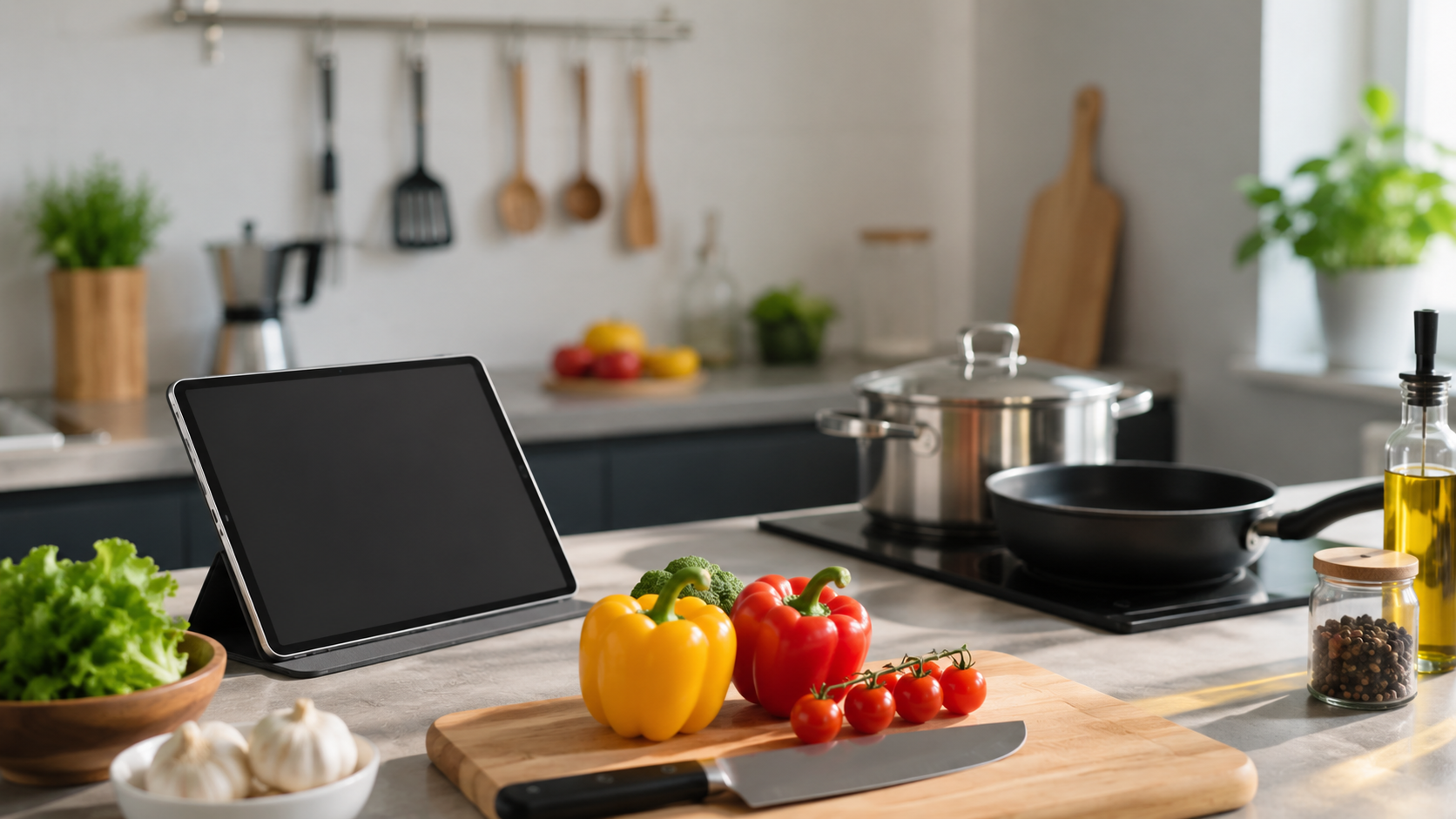
The secret behind a professional chef’s speed lies in organizing the workstation before the stove is even turned on. Mastering the initial stage of food preparation will save half of your overall cooking time.
Implementing the Mise en Place System
Prepare, peel, chop, and measure all ingredients into small prep bowls before cooking begins. This proactive step prevents seasonings and aromatics from scorching while you are still busy slicing onions over hot oil.
Routine Knife Sharpening and Maintenance
Always work with a sharp knife, as dull blades are far more prone to slipping and causing accidental injuries. A sharp blade creates uniform cuts, ensuring that all food ingredients cook evenly at the exact same rate.
Systematic and Neat Ingredient Storage
Store leafy greens over a dry paper towel inside an airtight container to maintain crisp freshness for up to a week. Keeping an organized refrigerator also prevents cross-contamination and upholds your household food safety standards.
Secrets of Flavor Enhancement and Seasoning Layers
Exceptional flavor is not created merely by tossing in salt during the final moments of cooking. A deeper grasp of flavor profiling and seasoning layers determines the balance of tastes on your palate.
Interestingly, salt works by opening the cellular pores of raw ingredients and drawing out natural moisture during the cooking process. Sprinkle salt gradually at the beginning, middle, and end of sautéing to build a rich depth of flavor.
In addition, never overlook the balancing power of acidity from fresh lime juice or culinary vinegar. If a soup or sauce still tastes flat despite adequate salt, a small splash of acid will instantly elevate the entire flavor profile.
Kitchen Equipment Usage and Heat Control Guidelines
High-quality cookware cannot perform at its best without a firm grasp of core culinary techniques. A common beginner mistake is adding ingredients before the pan reaches its optimal temperature.
Before pouring in cooking oil, practice proper pan preheating by warming the pan over medium heat for a few moments. This initial step closes the microscopic pores of the metal, preventing meat proteins from sticking stubbornly to the cooking surface.
Meanwhile, avoid overcrowding the pan with too many ingredients at once. Packing the pan too tightly drops the surface temperature instantly, causing your ingredients to steam and turn soggy rather than developing a savory, caramelized sear.
Smart Techniques to Minimize Household Food Waste
Managing a modern kitchen requires resourcefulness in utilizing every scrap of fresh produce and trim. Adopting these low-waste habits makes your daily cooking far more cost-effective and environmentally friendly.
Repurposing Vegetable Trimmings and Bones
Collect celery ends, carrot tops, onion skins, and clean chicken bones inside a designated freezer bag. Simmer these collected remnants in boiling water for two hours to produce a wholesome, deeply nutrient-rich homemade broth.
Compared to commercial bouillon cubes, homemade stock contains no artificial preservatives or excess sodium. You obtain a versatile flavor base on demand while significantly reducing your weekly grocery expenses.
Reviving Wilted Vegetables
Submerge limp leafy greens or softened carrots into a bowl of ice water for fifteen minutes. This rapid hydration process restores turgor pressure to the plant cells, bringing back their crisp crunch for fresh salads.
Healthy Approaches to Preparing Nutrient-Rich Meals
For those looking to serve wholesome family meals, adopt healthy cooking tips that minimize the use of saturated fats. Prioritize oven baking, gentle poaching, or quick stir-frying with a light drizzle of high-quality olive oil.
Pay close attention to vegetable cooking times so that vital water-soluble vitamins and minerals do not degrade under prolonged heat. Maintain bright colors and a crisp-tender texture as a clear sign that the nutrients remain intact.
As a practical recommendation, equip your kitchen with a digital instant-read thermometer to monitor meat doneness accurately. Measuring the internal temperature guarantees thoroughly cooked dishes without the risk of serving dry or rubbery protein.
Practical Kitchen Hacks for Beginners
Starting your culinary journey at home becomes much simpler when you apply these direct cooking tips for beginners to your routine.
Peeling Garlic Cloves Quickly
Gently crush each garlic clove with the flat side of a broad chef’s knife before peeling. The papery skin slips right off in seconds without leaving stubborn odors embedded under your fingernails.
Stabilizing a Slippery Cutting Board
Place a damp dishcloth or a moist paper towel directly underneath your wooden cutting board. This simple friction barrier prevents the board from sliding around while you slice through firm, dense ingredients.
Preserving Vibrant Green Vegetables
Blanch green vegetables in boiling salted water for one minute, then transfer them immediately into an ice water bath. This rapid cold shock locks in chlorophyll, keeping the vegetables bright and vivid on the dining table.
Elevate Your Daily Cooking Skills Starting Today
Mastering the craft of home cooking is a rewarding journey that grows stronger with consistent daily practice. Applying the essential cooking advice and practical kitchen methods outlined above will simplify your meal preparation every single day. Start implementing the mise en place approach and proper pan heat control in your kitchen right now to create memorable dishes for your entire family.
Common Kitchen Questions and Clarifications
When is the ideal time to add salt to a dish?
The best approach is seasoning gradually in stages starting from the initial sauté, then performing a final taste adjustment just before removing the pan from the heat.
How can you fix a soup or sauce that turned out too salty?
Add peeled raw potato slices into the simmering liquid for ten minutes to absorb excess salt, or gently dilute the dish with a splash of unsalted water or stock.
Why does cooking oil splatter when sautéing wet aromatics?
Oil splattering occurs when hot oil interacts with excess moisture. Dry your pan thoroughly before adding oil and drain any excess water from your chopped ingredients.
Should all types of fresh produce be stored in the refrigerator?
Not all produce thrives in cold conditions. Whole tomatoes, potatoes, and shallots are best stored at room temperature in a well-ventilated space to preserve their optimal texture.
How do you know when cooking oil is hot enough for frying?
Dip the tip of a clean wooden chopstick into the hot oil. If steady, fine bubbles immediately form around the wood, your oil has reached the proper frying temperature.