
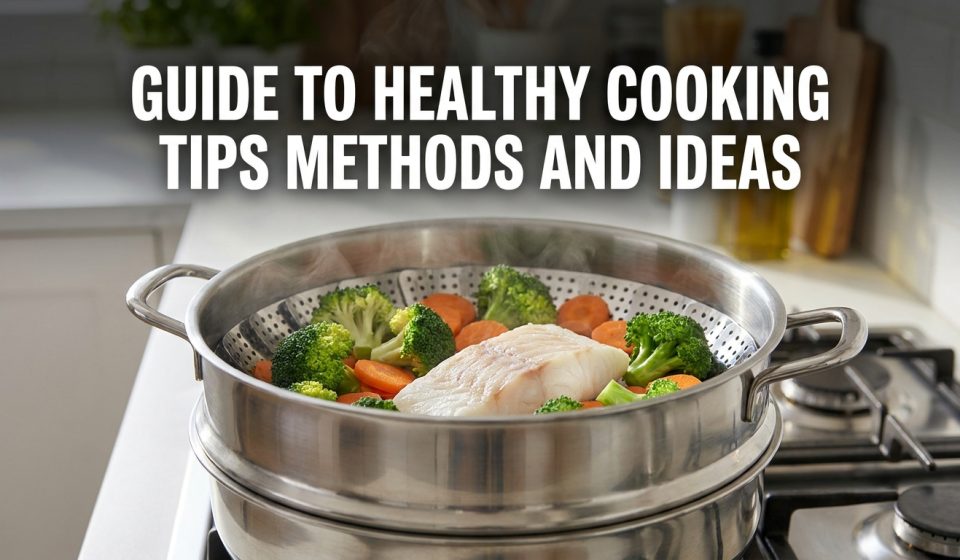

Preparing healthy meals at home is often perceived as complicated, time-consuming, and lacking in flavor. This widespread misconception makes many people hesitate to embrace a new routine in the kitchen. However, applying the right healthy cooking techniques allows you to serve delicious meals without compromising on taste.
Changing your lifestyle through home-cooked meals is actually the most realistic first step you can take. There is no need to throw away every ingredient in your pantry overnight. Taking a relaxed yet consistent approach will deliver significant long-term health benefits for your body.
Through this comprehensive nutritious cooking guide, you will learn how to prepare ingredients smartly. The core secret lies in choosing fresh produce, understanding proper preparation methods, and balancing natural seasonings. Let us explore these practical steps to make your kitchen routine both enjoyable and deeply nourishing.
Why Method Selection Matters in Healthy Cooking
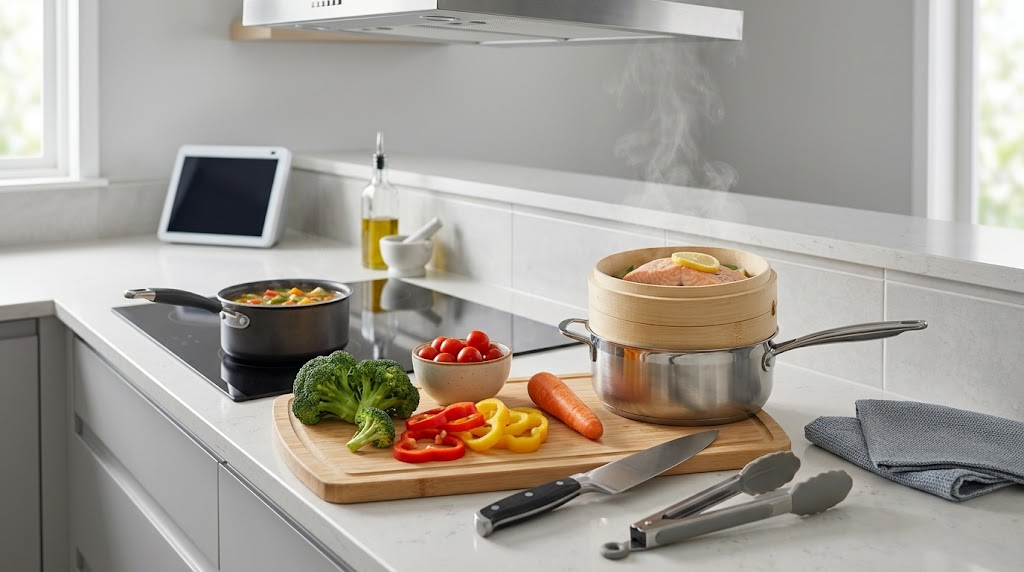
The way you prepare your food plays a pivotal role in preserving its nutritional value. Excessive heat or relying on heavy amounts of added fat can easily destroy delicate vitamins present in raw ingredients.
Beyond preserving nutrients, thoughtful wholesome food preparation keeps the natural colors and crisp textures of your ingredients intact. Visually appealing dishes naturally entice your family to enjoy balanced meals without feeling restricted.
For these reasons, understanding the unique characteristics of every ingredient is essential. Delicate leafy greens, plant proteins, and lean meats each require distinct preparation techniques so that valuable nutrients remain in the food rather than washing away.
Choose Healthy Cooking Methods That Work in Daily Life
Using appropriate preparation techniques locks in natural moisture while preserving essential dietary nutrients. Here are several accessible methods you can effortlessly incorporate into your daily routine.
Steaming for Maximum Retention
Steaming stands out as one of the best techniques for protecting water-soluble nutrients, particularly vitamin C and B-complex vitamins. Because steaming requires no added fat, vegetables retain their vibrant natural color and satisfying crunch.
Baking in the Oven
Baking allows heat to circulate evenly around your ingredients without submerging them in heavy oils. This technique works exceptionally well for lean proteins like chicken breast, fish fillets, and root vegetables, bringing out a rich natural depth.
Quick Sautéing with Minimal Oil
Sautéing over medium heat keeps your ingredients fresh and tender within minutes. Utilizing a quality non-stick pan allows you to cook efficiently with just a light drop of healthy fat.
Apply These Practical Healthy Cooking Tips Every Day
Small, intentional changes in your daily routine can yield massive improvements in your overall wellness. Consider applying these practical steps to elevate the quality of your home-cooked spreads.
- Focus on whole foods rather than heavily processed ingredients.
- Incorporate healthy fats like olive oil for light sautéing or homemade dressings.
- Reduce added sodium by increasing your reliance on fresh herbs and ground spices.
- Use uniform cutting techniques so all ingredients cook evenly.
Focus on Fresh Whole Foods for Better Value
Selecting fresh whole foods serves as your primary guarantee for crafting meals rich in vitality. Natural ingredients free from synthetic preservatives keep your body functioning at its highest potential throughout the day.
Organic produce, whole grains, and fresh protein sources deserve top priority on your weekly shopping list. Raw, unrefined ingredients naturally possess robust flavors that do not require excessive artificial enhancers.
Interestingly, cooking with whole ingredients also supports your household budget. Sourcing unprocessed produce from local markets is often significantly cheaper than purchasing pre-packaged convenience items.
Optimize Nutrient Retention During Meal Preparation
Both cooking temperature and duration directly influence the level of nutrient retention in your finished dish. Overcooking items at high heat often leaches valuable minerals into unused cooking liquids.
To prevent this loss, avoid chopping vegetables into tiny pieces prior to washing them. Larger cuts minimize the surface area exposed to running water and hot air.
Additionally, save any remaining vegetable steaming liquid to use as a rich stock for future soups. This smart practice ensures that any dissolved nutrients remain right on your dinner table.
Lower Excess Fats Without Sacrificing Flavor
Cooking oils can silently introduce unnecessary calories into your daily meal routine. Finding simple ways to moderate oil usage helps lower saturated fat intake without making meals taste bland.
As a clever alternative to extra oil, try using vegetable broth to deglaze your pan while sautéing. This simple liquid prevents ingredients from sticking while infusing subtle savory notes into the dish.
Another great strategy is applying a light drizzle of olive oil after the cooking process is complete. Adding raw oil right before serving provides a velvety texture and highlights its delicate fruity aroma.
Maintain Balanced Nutrition Across Every Meal
Achieving sustainable health requires building a balanced diet on every plate you serve. Make sure each meal offers a harmonious mix of complex carbohydrates, lean protein, dietary fiber, and wholesome fats.
A balanced approach does not require eliminating entire food groups from your daily life. Instead, focus on sensible portion sizes and integrating a wide variety of fresh ingredients.
Checking the natural colors on your plate serves as the easiest visual guide for nutrient density. The more colorful your plate looks, the wider the range of beneficial antioxidants you receive.
Enhance Everyday Meals with Natural Aromatics
Reducing salt does not mean your dinner has to taste uninspiring or flat. Natural spices and fresh aromatics excel at drawing out the authentic taste profile of every ingredient.
Rely heavily on garlic, ginger, turmeric, black pepper, and citrus juices to build rich layers of flavor. These natural elements also deliver potent anti-inflammatory benefits that support overall immunity.
Try tossing in delicate fresh herbs like basil or cilantro right before serving your dish. The immediate burst of aroma elevates the entire dining experience without adding extra sodium.
Smart Steps Toward Sustainable Daily Habits
Mastering healthy practices in the kitchen is an invaluable long-term investment in your family’s overall well-being. Building confidence with foundational techniques proves that wholesome food can remain deeply satisfying.
Long-term success relies entirely on consistency rather than flawless execution from day one. Start small by introducing one or two minor adjustments to your weekly routine.
Put these smart strategies into practice during your very next meal preparation. Enjoy crafting flavorful, nutrient-dense dishes that nourish your body every day of the week.
Common Questions About Wholesome Meal Preparation
Is olive oil safe to use for cooking at higher temperatures?
Extra virgin olive oil works best for low-to-medium heat sautéing and cold dressings. Choose refined olive oil or avocado oil if you need to cook at higher temperatures.
How can I keep green vegetables vibrant after cooking them?
Avoid covering your pan while boiling or steaming delicate green vegetables. Briefly shock the cooked greens in cold water immediately after heating to stop the cooking process.
Does steamed food always end up tasting bland?
Steamed food only tastes bland if it lacks seasoning prior to cooking. Marinate your proteins beforehand and finish cooked vegetables with citrus juice or toasted sesame oil.
What is the ideal time duration for steaming green vegetables?
Steaming green vegetables like broccoli or spinach usually takes just 3 to 5 minutes. This brief timeframe softens the texture while preserving key vitamins and bright color.
Does baking effectively remove excess fat from meats?
Yes, baking on a raised rack allows excess natural fats to drain away from the meat during cooking. This process reduces total calorie content while keeping the protein juicy.