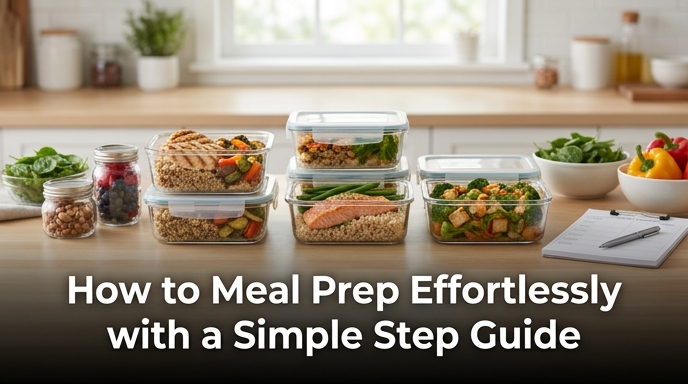

Preparing wholesome meals every single day often feels like a daunting chore. Moreover, after a demanding workday, standing in front of a hot stove for over an hour is usually the last thing anyone wants to do. Fortunately, learning how to meal prep transforms your chaotic weekday cooking into a seamless, stress-free experience. By dedicating just two hours on a quiet weekend afternoon, you can set yourself up for five days of delicious, nutritious, and balanced eating. Consequently, this comprehensive system eliminates daily decision fatigue, saves a substantial amount of money, and drastically cuts down on food waste.
Building a sustainable routine does not mean eating dry chicken breast and soggy broccoli every single day. Modern meal preparation focuses on flexibility, smart flavor combinations, and high-efficiency kitchen workflows. Whether you want to streamline your lunch breaks or serve wholesome dinners in minutes, mastering this habit will completely revolutionize your relationship with daily cooking.
Essential Preparation Steps Before You Cook
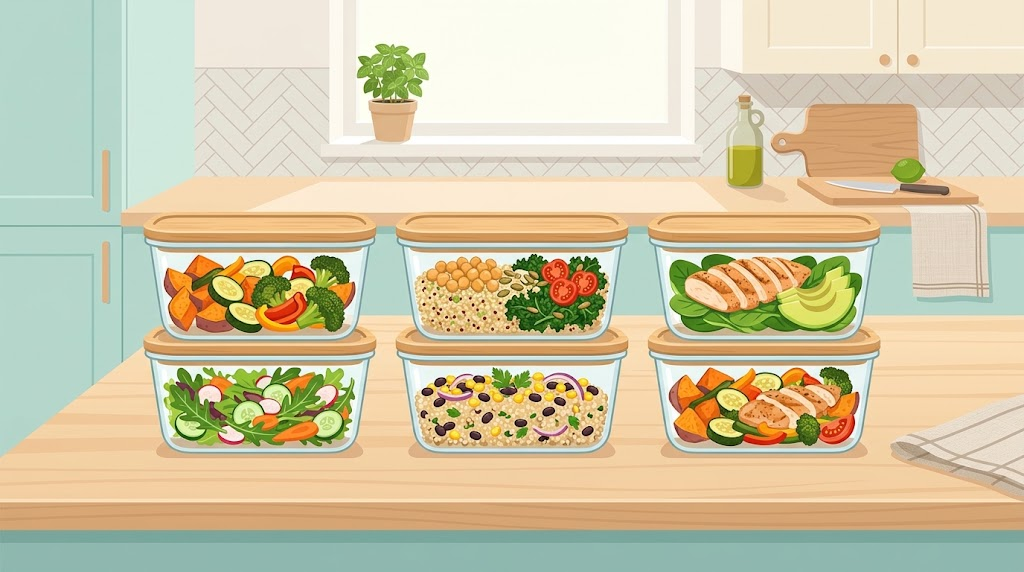 Success in the kitchen always starts long before you turn on the stove. For instance, professional chefs rely heavily on the concept of mise en place, which simply means gathering and organizing every ingredient before starting any actual cooking. Applying this mindset prevents panic and keeps your prep day running smoothly.
First, take five minutes to conduct a quick pantry audit. Check your refrigerator, freezer, and dry cabinets to see what ingredients you already own. Additionally, building your weekly menu around existing staples prevents double purchases and reduces unnecessary kitchen clutter.
Next, draft a concise grocery shopping list based on your planned recipes. Group your shopping items by store section, such as produce, proteins, pantry staples, and dairy. This simple organization trick cuts your supermarket trip in half and prevents impulse buys. When you return home with fresh groceries, wash all produce immediately, thoroughly dry your green leafy vegetables, and store them properly so they stay crisp and ready for action.
A Two-Hour Kitchen System for Maximum Efficiency
Executing a fast meal prep guide relies entirely on a synchronized workflow. Instead of cooking one isolated dish at a time, you should aim to run multiple cooking tasks simultaneously.
Start by preheating your oven to 200°C. Line two large baking sheets with parchment paper or silicone mats. On the first sheet, place your dense root vegetables like sweet potatoes, carrots, and diced squash. Similarly, on the second sheet, arrange lighter vegetables like broccoli florets, bell peppers, and zucchini. Drizzle everything with olive oil, salt, pepper, and your favorite dried herbs.
While the vegetables roast in the oven, shift your focus directly to the stovetop. Boil a large pot of water to cook your grains, such as quinoa, brown rice, or whole-wheat pasta. At the same time, warm a heavy skillet to sear your chosen proteins, whether that includes chicken breast, firm tofu, or lean ground turkey. By coordinating these parallel tasks, your entire batch of base ingredients cooks within forty-five minutes.
To avoid the common complaint of food monotony, apply modular seasoning formulas. Cook your grains and main proteins with neutral seasoning like garlic powder, onion powder, salt, and black pepper. Divide the cooked portions into separate containers, then add distinct sauces right before eating. For example, you can easily turn neutral chicken and rice into a Mediterranean bowl with tzatziki, an Asian stir-fry with sesame soy dressing, or a vibrant Mexican bowl with fresh salsa and lime.
Food Safety Guidelines and Storage Rules
Proper storage methods keep your prepped food safe, flavorful, and appetizing throughout the entire work week. Following reliable food safety guidelines prevents premature spoilage and eliminates the risk of cross-contamination in your refrigerator.
However, allow all hot food to cool down to room temperature before closing the container lids. Sealing hot food immediately traps moisture inside, creating condensation that turns crispy vegetables soggy and creates an environment where bacteria can grow. Nevertheless, do not leave perishable food out on the counter for longer than two hours.
Invest in high-quality air-tight containers. Glass containers are ideal because they do not absorb stubborn food stains or lingering odors, and you can safely heat them in the microwave or oven.
For maximum freshness, keep three days worth of prepared meals in the refrigerator set below 4°C. Transfer the remaining portions directly to the freezer. When planning how to meal prep for the week, always remember to move frozen portions into the refrigerator twenty-four hours before you intend to eat them, allowing them to thaw safely and evenly.
|
Food Item |
Fridge Storage (Days) |
Freezer Storage (Months) |
|---|---|---|
|
Cooked Proteins (Chicken, Beef, Tofu) |
3-4 |
2-3 |
|
Cooked Grains (Rice, Quinoa, Pasta) |
3-4 |
1-2 |
|
Roasted Vegetables |
3-4 |
Not Recommended |
|
Soups and Stews |
3-4 |
3-4 |
How Long Can Prepped Meals Stay Fresh in the Fridge?
Most cooked grains, roasted vegetables, and cooked proteins remain perfectly safe and delicious for three to four days when stored in air-tight containers at temperatures below 4°C. Seafood dishes should ideally stay in the fridge for no longer than two days.
How Do You Prevent Roasted Vegetables from Becoming Soggy?
Soggy vegetables usually result from overcrowding the baking sheet or trapping steam inside storage containers. Spread your raw vegetables out in a single layer with ample space between them, roast at high heat, and cool them completely before sealing the storage lids.
Is Glass or Plastic Better for Storing Prepared Meals?
Glass containers provide far superior durability, heat resistance, and food hygiene compared to plastic options. They reheat safely without leaching chemicals, do not trap lingering garlic or onion odors, and keep your meals fresh for noticeably longer periods.
Can Beginners Meal Prep Without Fancy Kitchen Appliances?
Absolutely. A simple chef knife, a sturdy cutting board, two basic sheet pans, and a reliable stovetop skillet are all you need to start. Expensive kitchen gadgets like air fryers or multi-cookers are helpful tools, but basic cookware gets the job done perfectly.
What Are the Best Freezer-Friendly Meals for Busy Schedules?
Soups, stews, hearty chili, turkey meatballs, cooked lentils, and grain bowls freeze exceptionally well without losing their pleasant texture. Avoid freezing fresh leafy greens, raw cucumber slices, or dairy-heavy cream sauces, as these items separate or turn watery upon thawing.
Your Path to Stress-Free Weekday Dining
Adopting a structured cooking routine completely changes how you experience daily nutrition. By taking control of your ingredients, mastering a simple batch-cooking workflow, and practicing smart storage techniques, you save valuable time while nourishing your body with fresh, wholesome food every single day. Finally, start small this coming weekend by prepping just two days of lunches, build your confidence in the kitchen, and enjoy the effortless comfort of homemade meals ready whenever you are.